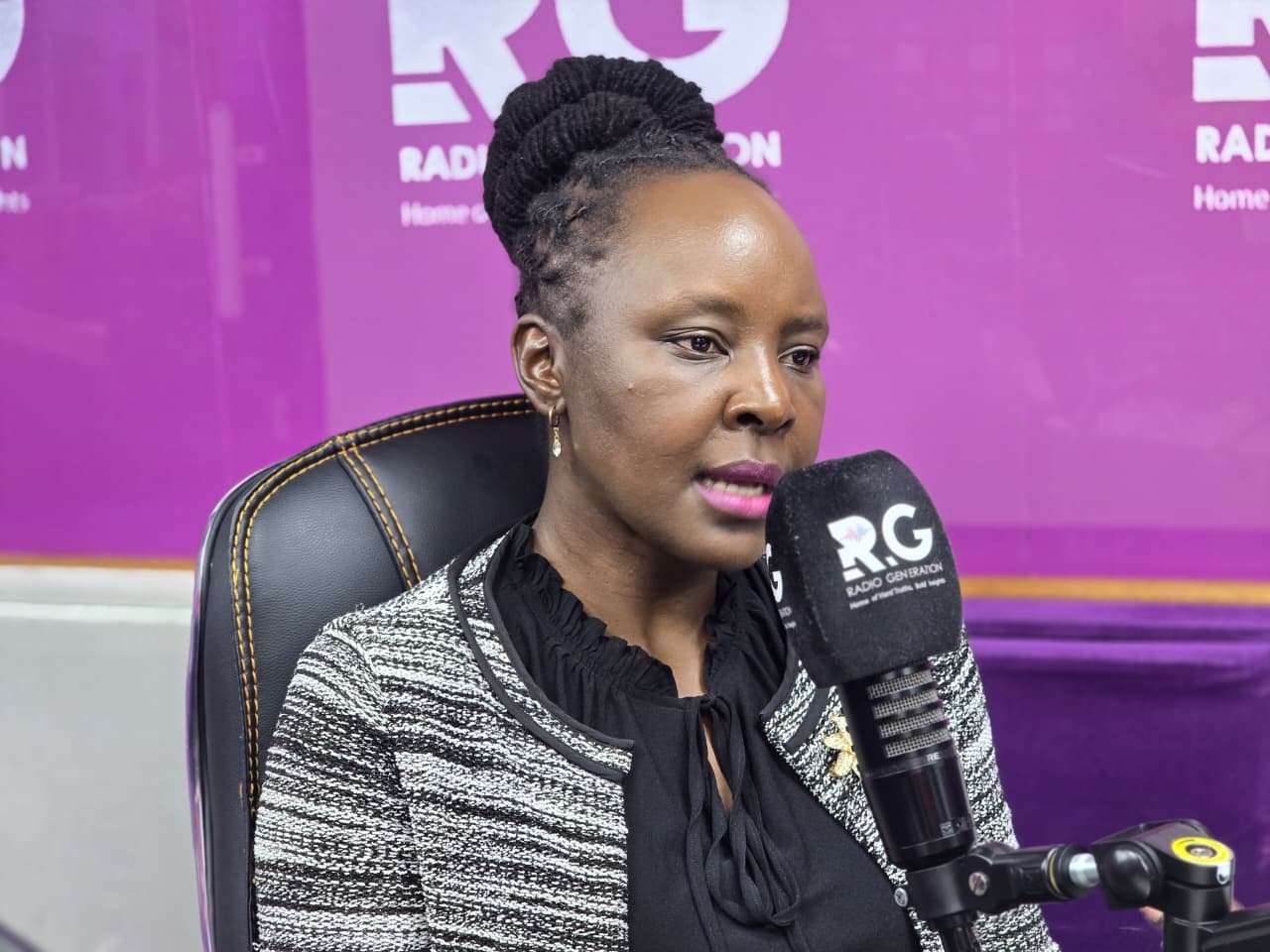
The rapid spread of online health content is increasingly shaping patient behaviour, with Willow Health Media Co-founder and CEO Mercy Korir warning that unreliable information is steering some people away from proper treatment.
In an interview on Radio Generation on Tuesday Korir said the digital environment has created a situation where accurate medical guidance competes directly with misleading claims, making communication a decisive factor in whether individuals seek safe care or not.
She cautioned that the volume of unchecked information online can easily influence vulnerable populations.
Latest Stories
- MPs fault Child Welfare Society over delayed reports, stalled projects
- M-Pesa processes Sh103.2 billion daily in Africa expansion push, says Safaricom CEO
- Senate to hold sixth Mashinani sittings in Kilifi in September
- Africa must rethink and adapt new approaches in mediation
- SHA, KNUT reach deal to fix teachers’ medical scheme and avert strike
Korir noted that health journalism has become essential in closing the gap between scientific research and public understanding.
By simplifying complex medical findings, she said, journalists can help communities make informed decisions while strengthening trust in healthcare systems.
Launched in 2024, Willow Health Media focuses exclusively on health and science reporting, delivering content that ranges from in-depth features to explainers and fact-checks.
The Nairobi-based outlet positions itself as a specialised newsroom dedicated to translating technical information into clear, relatable stories.
Within a short time, the platform has expanded its operations and built a growing team, establishing a niche in coverage areas such as public health policy, maternal care, disease outbreaks and medical innovation.
Korir described it as a digital-first newsroom designed to make health information both accessible and practical.
The organisation has also prioritised capacity building, working with institutions like Kenya Medical Research Institute to equip journalists with skills in health reporting and science communication.
These efforts include mentorship programmes for interns as well as structured training partnerships.
Korir said the initiative grew out of her earlier experience leading a health-focused content unit, which later evolved into a broader media and training platform.
She added that collaborations with academic partners have helped formalise training for emerging health communicators.
She emphasised that reporting on health requires careful ethical consideration, particularly when dealing with sensitive issues and vulnerable groups.
This includes safeguarding confidentiality and ensuring proper consent procedures, especially in stories involving minors or cases such as gender-based violence.
?s=20Korir described journalism as a critical public service with direct consequences on people’s wellbeing, noting that misleading reports can discourage treatment while accurate information can guide individuals toward appropriate care.
On the broader health system, she pointed out that Kenya still faces challenges in achieving full independence due to reliance on donor-funded programmes. According to her, this dependence limits the country’s ability to fully control key areas such as HIV services.
She also highlighted gaps in local biomedical research, particularly in diseases like cancer, diabetes and infectious conditions, stressing the need for solutions tailored to local populations. Advances such as precision medicine, she said, remain limited without stronger investment in research that reflects genetic differences.
Korir further acknowledged the role of traditional medicine, describing it as an important but often overlooked part of primary healthcare.
She noted that many modern treatments are rooted in plant-based remedies long used in communities, calling for greater recognition of this knowledge.
She concluded that improving health outcomes requires more than infrastructure, arguing that strong communication systems are equally vital in ensuring people receive, understand and act on accurate health information.


Comments
Sign in with Google to comment, reply, and like comments.
Continue with Google